
Your Path to Uhuru Peak Starts with Preparation and Perspective
Climbing Mount Kilimanjaro is not just about ticking off the highest peak in Africa — it’s about embracing a challenge that is both physical and emotional. At 5,895 meters (19,341 feet), Kilimanjaro is the tallest free-standing mountain in the world, and each year, it draws thousands of climbers seeking that iconic moment at Uhuru Peak. While the mountain doesn’t require technical climbing skills, it presents unique challenges — particularly altitude, terrain, and weather variation. Reaching the summit safely and successfully depends on how well you prepare and how you respond to the journey ahead.
At Dismass Kilimanjaro Experience, we’ve led hundreds of climbers to the top — maintaining a 98% summit success rate. The following five tips, drawn from years of guiding, are essential insights for anyone serious about standing on the Roof of Africa.
Train Like You Mean It: Build Endurance and Adaptability
Many climbers underestimate Kilimanjaro because it’s technically non-technical. But the altitude, long trekking days, and energy-sapping terrain require a high level of cardiovascular endurance and physical resilience. Training should begin at least two to three months in advance and focus on steady, long-duration activities that simulate what you’ll encounter on the mountain. This means multi-hour hikes on uneven ground, hill climbs with a loaded backpack, and regular sessions of running, swimming, or cycling to keep your heart and lungs in peak condition.
Don’t overlook your legs — strength and stability are key to navigating loose scree, rocky paths, and endless switchbacks. If you can access higher elevations during your training, even better. Exposing your body to thinner air helps simulate Kilimanjaro’s toughest condition: oxygen deprivation. The fitter and more adaptable you are, the easier it becomes to enjoy the climb rather than just survive it.
The Route You Choose Shapes Your Success
Not all Kilimanjaro routes are created equal — and the route you choose can significantly influence your acclimatization, enjoyment, and overall summit outcome. While shorter routes like Marangu are often promoted as easier, the quick ascent means your body has less time to adapt to altitude, which increases the risk of altitude sickness and reduces your chances of success.
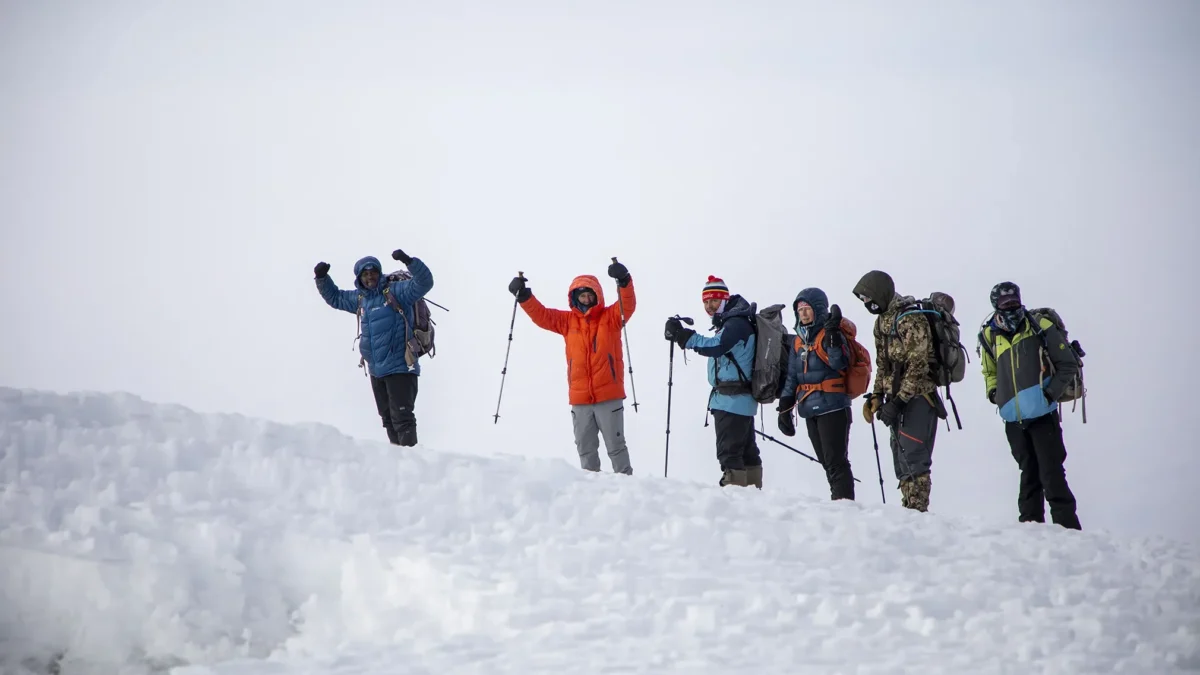
On the other hand, longer routes such as Lemosho, Machame, and especially the Northern Circuit allow for gradual elevation gain, giving your body more time to adjust. These routes are scenic, less crowded in certain seasons, and boast higher success rates. At Dismass Kilimanjaro Experience, we guide climbers to choose routes based on their fitness level, time commitment, and previous altitude experience — not just popularity. A route that suits your body’s pace makes all the difference between a triumphant summit and a frustrating turn-back.
Acclimatization: Your Silent Summit Strategy
Altitude sickness doesn’t discriminate. It affects experienced and first-time climbers alike, regardless of age or fitness. One of the most vital keys to a successful Kilimanjaro summit is understanding and respecting the process of acclimatization. It’s your body’s natural way of adjusting to lower oxygen levels — and rushing the process is a recipe for failure.
The best way to acclimatize is to follow the “climb high, sleep low” principle. Incorporating an extra day in the itinerary (usually around 3,000–4,000 meters) significantly boosts your chances of reaching the summit safely. Hydration is equally important — drinking 3 to 4 liters of water daily helps your body cope with the thin air. And above all, go slow. On Kilimanjaro, the Swahili phrase “pole pole” is not a suggestion — it’s a survival tactic. A measured pace conserves energy, prevents headaches, and keeps your oxygen levels stable. Listening to your body, resting when needed, and having guides trained in high-altitude safety are crucial to staying healthy on the way up.
Pack with Purpose, Not Just for Pictures
Kilimanjaro is a mountain of extremes — sunny and humid at the base, cold and windy at the summit. Packing smart is about more than having the right items — it’s about layering strategically, minimizing weight, and preparing for unexpected shifts in weather.
Start with a solid base: moisture-wicking thermals, insulating mid-layers, and a reliable waterproof outer shell. Footwear should be durable, waterproof, and well broken-in — blisters are the enemy of progress. A quality sleeping bag rated for sub-zero temperatures is a must, as is a headlamp for your summit night ascent. Don’t forget essentials like a hydration system (CamelBak or bottles with insulated covers), sun protection, gloves, and trekking poles for joint support on steep descents.
Poor packing can result in discomfort, fatigue, or worse — turning what should be an awe-inspiring journey into a struggle for warmth and safety. We provide a full recommended gear list to all our climbers and advise based on seasonal shifts and chosen route.
The Mind is Mightier Than the Altitude
There’s a point on every Kilimanjaro climb — usually during the frigid, dark hours of summit night — when your legs are screaming, your lungs feel tight, and every cell in your body begs you to stop. This is where the climb becomes mental.
The key is to focus on the moment, not the summit. Break your journey into manageable milestones: the next ridge, the next break, the next deep breath. Celebrate these micro-victories and keep your thoughts positive. Surround yourself with encouraging energy — from your team, your guides, and yourself.
The summit is the reward, but your mindset is the engine that gets you there. Our guides are trained not just in navigation and first aid, but in motivation. They understand when to push and when to pause. Trust in their experience, and trust in your own preparation. Your success is often closer than it feels in the moment of doubt.
Final Thoughts: Success is in the Preparation
Summiting Kilimanjaro is not about luck — it’s about being ready. Every element, from your training and route selection to your gear and mental strength, plays a part. When these pieces align, reaching Uhuru Peak becomes more than possible — it becomes transformative.
At Dismass Kilimanjaro Experience, we believe that a successful Kilimanjaro summit isn’t just measured in meters climbed, but in memories made, challenges conquered, and stories shared. We walk with you every step of the way — from your first training hike to the final joyful steps on the summit ridge.
[See Kilimanjaro VIP Packages | Kilimanjaro VIP+ Packages | Mt Kilimanjaro Climbing Routes]


