
A Climber’s Guide to Africa’s Tallest Peak
Mount Kilimanjaro rises majestically from the plains of northern Tanzania, standing tall at 5,895 meters (19,341 feet). As the highest peak in Africa and the world’s tallest free-standing mountain, Kilimanjaro draws thousands of climbers each year. But beyond the statistics, what makes Kilimanjaro unique?
From its dramatic volcanic origins and varied climate zones to its deep cultural significance, Mount Kilimanjaro offers a trekking experience unlike any other. In this guide, we explore the distinctive features of the mountain through the eyes of Dismass, a seasoned Kilimanjaro guide with years of summit success.
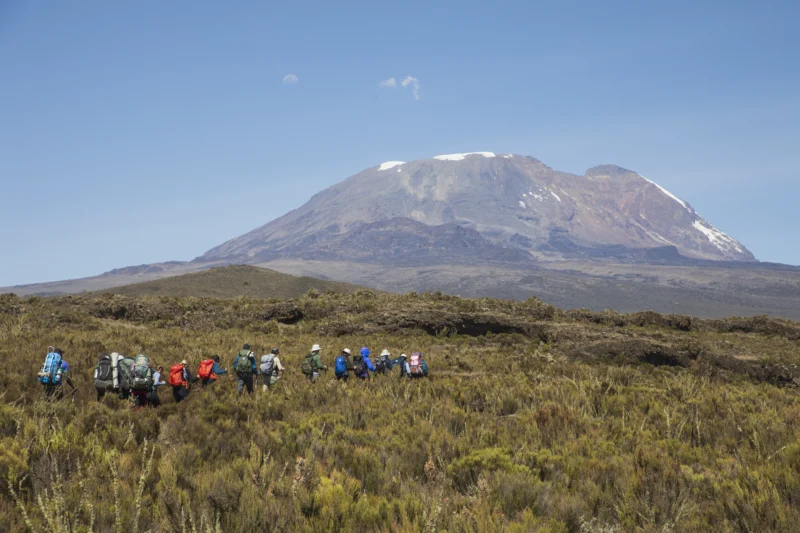
The Geology of Kilimanjaro: A Free-Standing Volcanic Giant
One of the most fascinating facts about Kilimanjaro is that it’s not part of any mountain range. It is a stratovolcano formed by millions of years of volcanic activity, making it the world’s tallest free-standing mountain.
Kilimanjaro consists of three volcanic cones:
• Kibo – The central and highest cone, home to Uhuru Peak, the summit point.
• Mawenzi – A jagged, eroded peak rising dramatically to the east.
• Shira – The oldest cone, now collapsed into a plateau.
These volcanic origins create a landscape filled with lava formations, craters, and glacial remnants, offering climbers a geological journey through time.
Kilimanjaro’s Ecosystems: Five Climate Zones in One Trek
Few mountains in the world offer the chance to walk through five distinct ecological zones in one expedition. This unique feature is one reason climbers call Kilimanjaro the ultimate trekking adventure.
As you ascend, you’ll pass through:
1. Cultivation Zone (800–1,800m)
Farmlands with banana groves and coffee plantations.
2. Rainforest Zone (1,800–2,800m)
Lush tropical forest home to blue monkeys, birds, and exotic flora.
3. Moorland Zone (2,800–4,000m)
High-altitude shrubs and giant groundsels like Senecio kilimanjari.
4. Alpine Desert Zone (4,000–5,000m)
Barren, rocky landscapes with extreme temperatures and high UV exposure.
5. Arctic Zone (5,000–5,895m)
An icy, glacier-capped summit that feels like another planet.
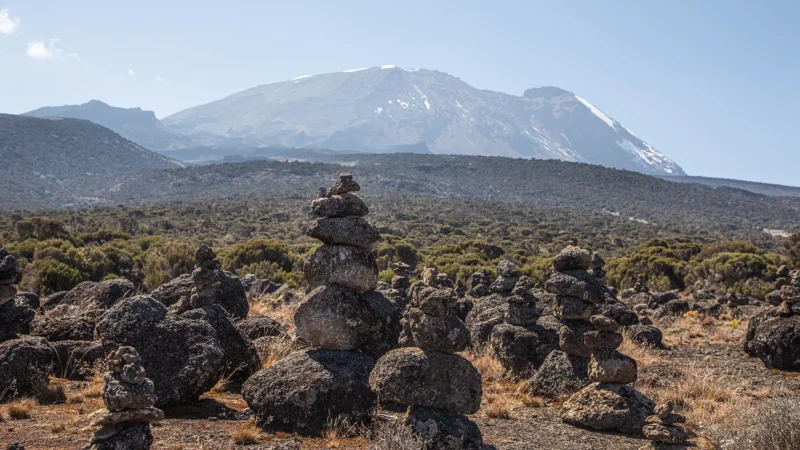
This ecological diversity is part of what makes Kilimanjaro unique—it’s like walking from the equator to the Arctic in just a few days.
Kilimanjaro and Culture: The Sacred Mountain of the Chagga
To the Chagga people who live on Kilimanjaro’s southern slopes, the mountain is sacred. They refer to it as the “House of God” and weave it into local myths and traditions. The Maasai also regard Kilimanjaro as a spiritual landmark.
Climbing with local guides like Dismass offers more than just logistics—it’s a cultural journey. As you trek, you’ll hear local stories and legends that give the mountain a soul beyond the summit.
The Kilimanjaro Climbing Experience: No Technical Skills Needed
Unlike Everest or the Alps, climbing Kilimanjaro requires no ropes or technical mountaineering experience. This makes it accessible to beginners and seasoned trekkers alike.
However, it’s not an easy walk. Challenges include:
• High altitude and risk of altitude sickness
• Long trekking hours over several days
• Unpredictable weather near the summit
The mental and physical journey makes reaching Uhuru Peak deeply rewarding. This combination of accessibility and challenge is a core part of Kilimanjaro’s appeal.
Conservation on Kilimanjaro: A Fragile Summit
Kilimanjaro’s glaciers are rapidly retreating due to climate change. Once expansive ice fields have shrunk significantly, raising alarm about the mountain’s future.
Tanzania National Parks and various NGOs are working on:
• Eco-tourism initiatives
• Reforestation programs
• Waste management improvements
As a climber, you can contribute by choosing responsible tour operators, following Leave No Trace principles, and supporting local conservation efforts.
Final Thoughts: Why Kilimanjaro is Truly Unique
What makes Kilimanjaro unique is not just its height—it’s the journey, the ecosystems, the people, and the stories. It is a mountain that challenges, teaches, and inspires.
Whether you’re drawn to its volcanic history, fascinated by its biodiversity, or seeking a life-changing adventure, Kilimanjaro offers more than a climb. It offers a connection to nature, culture, and self.
Plan Your Kilimanjaro Adventure Today
Join expert local guides like Dismass on a safe and unforgettable Kilimanjaro climb. Whether you’re a first-time trekker or a seasoned adventurer, let us help you reach the Roof of Africa.
[See Kilimanjaro VIP Packages | Kilimanjaro VIP+ Packages | Mt Kilimanjaro Climbing Routes]


